



The Tang Dynasty musical instrument "Five stringed Pipa"
The pipa originated in China and is generally a four stringed instrument. The five stringed instrument is specifically called the five stringed instrument. The "Book of Rites and Music" in the Old Book of Tang states: "The pipa, five stringed instrument, and Kabuki have been loved since Wenxiang, and have been particularly popular since the Heqing period." The five stringed pipa was a plucked string instrument played by a few ethnic groups in northern China in ancient times. Abbreviated as Wuxian. With a long history and unique design, it was popular in the vast Central Plains region of China during the Tang Dynasty and spread eastward to Japan, becoming a historical witness to cultural exchanges between China and Japan.

Ceramic "Three Colored Double Dragon Zun" from the Tang Dynasty
This statue is a vessel used by Tang Dynasty nobles to serve alcoholic beverages. The authentic product was created during the prosperous Tang Dynasty and was unearthed from a Tang tomb in Luoyang. It has now been circulated among the people. The upper half of the statue is glazed with yellow, green, and white spots, while the lower half is plain. Pankou, neck tied, round shoulder, bulging belly, flat bottom, with symmetrical double dragon handles carved between the shoulder and the mouth, symbolizing "two dragons playing in the water". The shape is full and vivid. This exhibit is currently housed in the Luoyang Tang Sancai Ceramics Museum. First stored in the Tang Sancai Ceramics Museum in Luoyang.

During the Tang Dynasty, the white stone sculpture "Changyang Taizun Stone Statue" was created
The Changyang Taizun stone statue was first carved in the seventh year of the Tang Kaiyuan era (719 AD) and is a precious resource for studying Taoism, ancient sculpture, and calligraphy art. The statue is made of white stone, one meter high, dressed in court attire, wearing a crown, with one hand supporting the knee and the other holding a belt, sitting on a stone seat with a dignified expression and smooth clothing patterns. Fuxi is one meter tall, with a bun on his head and curly long hair draped over his shoulders. He is wearing a shoulder and apron connected by leaves, holding the Bagua Taiji diagram in his hand, symbolizing Fuxi's creation of the Book of Changes.
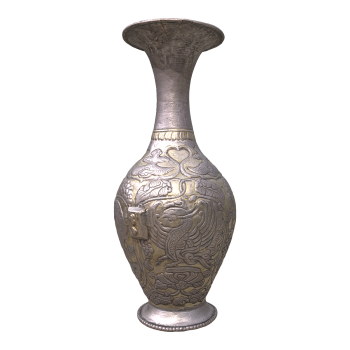
Tibetan silver vase during the Tang Dynasty "Tibetan gold-plated silver vase"
This vase is a cultural relic of the early 8th century AD from Tibet. Its name is "gold-plated silver vase". The decoration of this vase is very fine, mainly with Central Asian elements, including grape vines, bead edges and heart patterns. Sogite craftsmen are known to be adept at using gilded foil to set off silver relief designs. The form of the animal head-shaped drinking utensils and the use of silver are derived from Persian origins, while the rich, luxurious texture of the design and the form of the lion and the curly dragon on the side of the vase show an understanding of the Chinese form, which is proved in the early stage of political unity and integration in Tibet. This vase is now in the collection of the Cleveland Museum of Art.

Popular Models
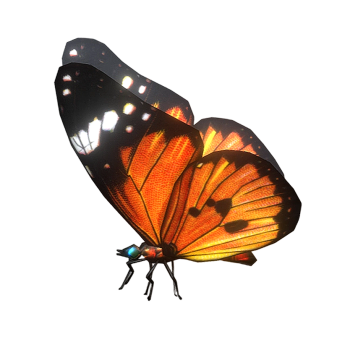
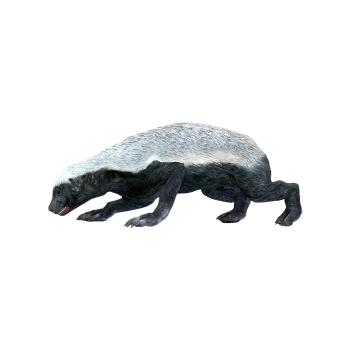
Honey Badger (3D animated model)
192 View
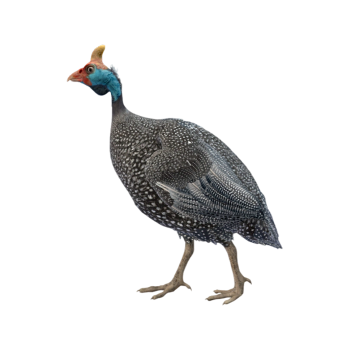
Guinea fowl (3D animated model)
163 View
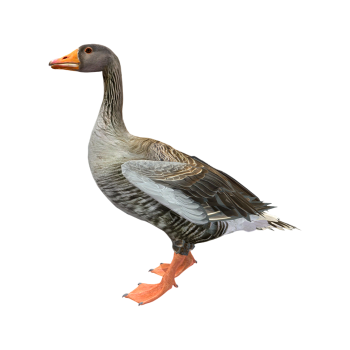
Wild Goose (3D animated model)
185 View
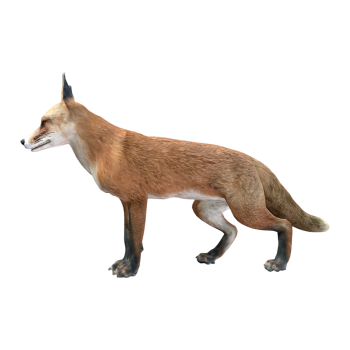
Red Fox (3D animated model)
153 View
Random Model
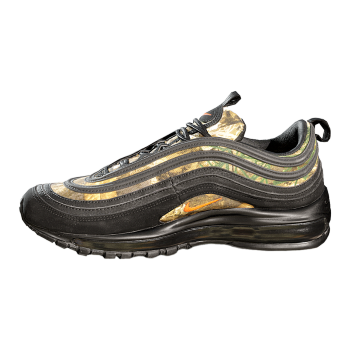
Air Max sneaker
674 View
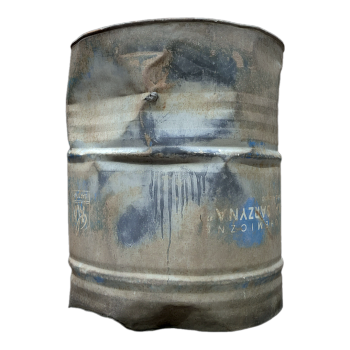
Old gasoline barrels
942 View
Big mole cricket shrimp
769 View

Mercedes-Benz CLK DTM 2000
716 View
Reflective cone barricade
889 View


Raccoon (with 3D animated model)
770 View


Welcoming Guest Pine Bonsai
1030 View